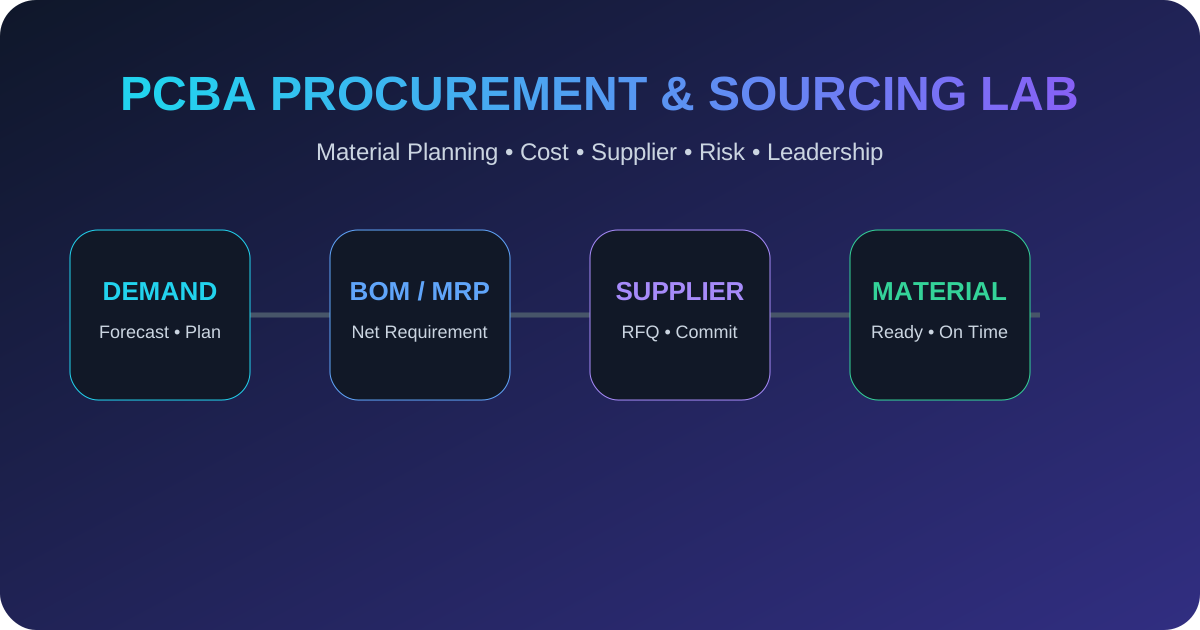
PCBA Procurement & Sourcing Career Lab
คู่มือทำงานจัดซื้อชิ้นส่วนอิเล็กทรอนิกส์ / PCBA แบบครบมิติ ตั้งแต่รับ Demand → ตรวจ BOM → คำนวณ Material → เปิด PO → คุม Shortage → Sourcing/RFQ → Cost/TCO → Supplier Risk → EOL/PCN → สื่อสารกับทุกฝ่าย → สัมภาษณ์งาน → ขึ้นสู่ระดับ Procurement Manager / Senior Manager / Head.
ซื้อถูก Part / Revision / Approved Source / Qty / Need Date โดยไม่สร้าง Excess เกินเหตุ
ลด Total Cost, ลด Risk, ลด Line Stop, ลด Inventory และทำให้ Cash Flow ดีขึ้นพร้อมกัน
ตัดสินใจด้วย Data, สร้างระบบ, พัฒนาทีม, Supplier และนำเสนอผลต่อผู้บริหารได้
แต่คือ Right Specification + Right Source + Right Quantity + Right Timing + Right Total Cost + Right Risk พร้อมหลักฐานที่ตรวจสอบย้อนกลับได้.
เส้นทางจาก Buyer ไปถึง Procurement Leader
เรียนตามลำดับ “คุม Transaction → คุม Material → คุม Supplier → คุม Cost/Risk → คุมระบบและคน”
วิธีเรียนให้ใช้จริง
งานจัดซื้อ PCBA จริงทำอะไรบ้าง
MRP exception, shortage, PO due, supplier reply, production risk, hot list, receiving/quality hold.
Shortage review, supplier commit review, forecast change, KPI, escalation, excess risk, NPI material readiness.
Spend, PPV/savings, OTD, inventory, E&O, supplier scorecard, contract/price review, capacity/risk review.
Category strategy, dual source, LTA, VMI/consignment, localization, cost engineering, supplier development.
สิ่งที่ Buyer ต้อง “ไม่ทำ”
ถ้า revision หรือ approved source ไม่ชัด ต้องหยุดและขอ Engineering/Quality confirm.
คำว่า “we will try” ไม่ใช่ confirmed delivery.
Safety stock ต้องมี logic และ owner ไม่ใช่บวก 20% ทุกชิ้น.
รู้จัก Part ก่อนซื้อ — Technical Procurement
ผู้ซื้อ PCBA ที่เก่งต้องอ่านข้อมูล Technical ได้พอจะรู้ว่าอะไร “เปลี่ยนได้/เปลี่ยนไม่ได้” และรู้ว่าเรื่องใดต้องส่งให้ Engineering / Quality อนุมัติ.
Master Data ขั้นต่ำที่ควรมี
| Field | ทำไมสำคัญ | ความเสี่ยงถ้าผิด |
|---|---|---|
| Internal PN / MPN / Manufacturer | ยืนยันตัวตนของ Part | ซื้อคนละรุ่นแต่ชื่อคล้ายกัน |
| BOM Revision / Effective Date | รู้ว่ารุ่นใดเริ่มใช้เมื่อไร | ซื้อของเก่าหลัง ECN |
| AVL/AML / Alternate Group | กำหนด approved source | ใช้ substitute โดยไม่ได้อนุมัติ |
| MOQ / SPQ / Package | กำหนด order rounding | สั่งไม่ได้/เกิด excess |
| Lead Time / Transit / Inspection | คำนวณ release date | PO ถูกแต่ของมาช้า |
| MSL / Shelf life / Date code | คุมความเสื่อมและ process risk | ของใช้ไม่ได้แม้ stock มี |
| NCNR / Cancellation window | คุม liability | forecast ลดแล้วติด stock |
| Lifecycle / PCN / EOL | ป้องกัน obsolescence | line stop / last-time-buy ช้า |
Buyer ไม่ควรตัดสินว่า “ขนาดเท่ากัน/Spec คล้ายกัน = ใช้แทนได้”. ต้องผ่าน Engineering/Quality/Customer approval ตามระบบ เพราะอาจกระทบ Electrical, Thermal, Reliability, Firmware, Test, Certification และ warranty.
ต้นทางของการคำนวณ Material
ถ้ามีหลาย Model ใช้ Part เดียวกัน ต้องรวม usage ของทุก Model ใน time bucket เดียวกันก่อนตัด stock/PO เพื่อไม่ให้เกิด allocation ผิดรุ่น.
ตัวอย่าง Common Part
| Model | Plan FG | BOM Usage | Gross Material |
|---|---|---|---|
| Model A | 1,500 | 2 | 3,000 |
| Model B | 800 | 1 | 800 |
| Model C | 600 | 4 | 2,400 |
| Total | — | — | 6,200 pcs |
Scrap / Yield — อย่าใช้สูตรผิดบริบท
Requirement = Base × (1 + Scrap%). ถ้า 6,200 และ scrap 1.5% ⇒ 6,293 pcs.
Input = Good requirement ÷ Yield. ถ้า yield 98.5% ⇒ 6,200 ÷ 0.985 ≈ 6,295 pcs.
สองสูตรนี้ไม่เท่ากันและองค์กรอาจกำหนด policy ต่างกัน. ระบบต้องระบุชัดว่ากำลังใช้ Scrap Factor แบบ additive หรือ Yield Loss แบบหาร.
BOM Readiness Gate ก่อนสร้างแผนซื้อ
คำนวณซื้ออย่างเป็นระบบ
คำสำคัญคือ Usable และ Eligible. Stock ที่ quarantine, expired, allocated ให้โครงการอื่น หรือ PO ที่ supplier ยังไม่ confirm อาจห้ามนับเต็มจำนวน.
Available, correct revision, correct lot/status, ไม่ถูก hold และไม่ถูก reserve.
PO/WO ที่มี qty และวันที่คาดรับชัดเจน. แยก Confirmed / Unconfirmed / In-transit.
ใช้รองรับ demand/LT variability ตาม policy ไม่ใช่ stock ซ่อน.
Worked Example
| Gross + Scrap | 6,293 pcs |
|---|---|
| Safety Stock Target | 500 pcs |
| Usable On-hand | 2,100 pcs |
| IQC Hold | 200 pcs — ไม่นับเป็น usable |
| Confirmed Open PO before need date | 1,500 pcs |
| Net Requirement | 6,293 + 500 − 2,100 − 1,500 = 3,193 pcs |
| SPQ = 500 / MOQ = 1,000 | Recommended order = 3,500 pcs |
MOQ / SPQ Rounding
จากนั้นต้องเช็กอีกครั้งว่า rounded quantity ทำให้เกิด Excess, NCNR หรือ coverage เกิน policy หรือไม่.
Time-phased MRP ตัวอย่าง
| Month | Opening / PAB | Gross Req. | Confirmed Receipt | Planned Receipt | Ending PAB |
|---|---|---|---|---|---|
| M1 | 5,000 | 2,000 | 0 | 0 | 3,000 |
| M2 | 3,000 | 3,200 | 2,000 | 0 | 1,800 |
| M3 | 1,800 | 3,500 | 0 | 3,000 | 1,300 |
ถ้า Safety Stock = 1,000, M3 ต้องมี planned receipt อย่างน้อย 2,700; SPQ 500 จึงปัดเป็น 3,000. ถ้า total replenishment lead time = 8 สัปดาห์ ต้อง release PO ย้อนจาก need date ไม่ใช่รอถึง M3.
Reorder / Safety Stock Reference
ROP = Average Demand During Lead Time + Safety Stock
ตัวอย่างพื้นฐาน: SS = z × σ ของ demand during lead time. ต้องใช้ข้อมูลจริงและ service target.
คำนวณว่า “ผลิตได้จริงกี่ FG”
Material Ready ไม่ควรวัดเป็น % part ที่มีอย่างเดียว เพราะขาด critical part เพียง 1 รายการก็ทำให้ผลิตไม่ได้ทั้งรุ่น.
| Part | Usable Qty | Usage/FG | Buildable FG from this part |
|---|---|---|---|
| MCU | 2,400 | 1 | 2,400 |
| Connector | 5,000 | 2 | 2,500 |
| Capacitor X | 24,000 | 10 | 2,400 |
| Model Readiness | — | — | 2,400 FG |
สูตร min ใช้ตรง ๆ ได้ดีเมื่อประเมินรุ่นเดียวและ supply ถูกกำหนดให้รุ่นนั้นแล้ว. ถ้า part แชร์หลายรุ่น ต้องทำ allocation ตาม time bucket/priority ก่อน ไม่เช่นนั้นระบบอาจนับ stock ก้อนเดียวซ้ำหลาย Model.
Readiness ที่ควรแสดงใน Dashboard
revision, usage, alternate, effective date ครบ
จำนวน FG สูงสุดที่ทำได้จริง ณ need date
Plan FG − Buildable FG พร้อม bottleneck part และ recovery date
Shortage ต้องดูตามเวลา ไม่ใช่ดูยอดรวม
Stock + PO ทั้งหมด = 10,000 และ Demand ทั้งไตรมาส = 9,000 ไม่ได้แปลว่า “ไม่ shortage”. ถ้า 6,000 ต้องใช้วันที่ 10 แต่ PO 7,000 มาวันที่ 25 ก็ยัง line-stop วันที่ 10.
Shortage Severity
| Level | Condition | Action |
|---|---|---|
| Red | Line stop / confirmed shortage inside frozen horizon | Daily escalation, allocation, expedite, alternate, production recovery |
| Orange | Shortage inside lead time / supplier date at risk | Commit recovery date, split shipment, expedite, reschedule |
| Yellow | Forecast exposure / unconfirmed demand | Supplier visibility, risk buy review, scenario planning |
| Green | Coverage and receipts on time | Monitor by exception |
Allocation Logic เมื่อของไม่พอ
Shortage Recovery Playbook
ควร PO แบบ Cover เดือน, MOQ/SPQ หรือหลายเดือน?
ไม่มีคำตอบเดียว. PO quantity/frequency ต้อง balance 6 อย่าง: Lead Time, Demand Stability, MOQ/SPQ, Supplier Reliability, Inventory Carrying Cost และ NCNR/EOL Risk.
| สถานการณ์ | แนวทางที่มักเหมาะ | เหตุผล |
|---|---|---|
| LT ยาว / critical / allocation risk | Long-horizon commitment + scheduled deliveries | ล็อก capacity แต่ไม่จำเป็นต้องรับของเข้าสต็อกทั้งหมดทันที |
| LT สั้น / demand stable / supplier reliable | PO หลาย delivery ต่อเดือน หรือ blanket/call-off | ลด inventory โดยไม่เพิ่ม risk มาก |
| MOQ สูง / demand ต่ำ | รวม demand หลายเดือน แต่ review E&O/NCNR | หลีกเลี่ยงสั่งย่อยไม่ได้ |
| Demand volatile / EOL risk | Shorter commitment + flexibility clauses | ลด excess/liability |
| High runner | VMI / Consignment / Kanban / Scheduled PO | ลด transaction และ line-side shortage |
LT สั้น ควรเปิด PO หลายอันในเดือนเดียวไหม?
ทำได้และบางกรณีดีกว่า หากช่วยลด average inventory, supplier รองรับ schedule ได้, transportation/admin cost ไม่สูง และระบบมี visibility ชัด. แต่ถ้าเปิด PO จำนวนมากจนตามยาก ให้ใช้ Blanket PO + schedule/call-off แทน.
EOQ ใช้ได้ไหม?
ใช้เป็น reference สำหรับ trade-off ระหว่าง ordering cost กับ holding cost แต่ในอิเล็กทรอนิกส์ต้อง override ด้วย MOQ/SPQ, lead time, NCNR, lifecycle/EOL, forecast volatility และ supplier capacity.
PO Hygiene
ไม่ใช่แค่ requested ship date.
แยกสถานะเพื่อไม่ให้ MRP หลอกว่ามีของแน่.
จัดการ excess risk เมื่อ demand ลด ไม่ปล่อย PO ค้าง.
จาก RFQ ไปถึง Supplier Selection
RFQ Pack ที่ดีควรมี
Internal PN, MPN, manufacturer, drawing/rev, approved alternates, quality requirements.
Prototype qty, MP forecast, annual volume, ramp profile, delivery location.
MOQ, SPQ, LT, currency, incoterm, payment, NRE/tooling, NCNR, validity.
Supplier Selection — อย่าดู Price อย่างเดียว
| Dimension | ตัวอย่างหลักฐาน |
|---|---|
| Quality | PPM, audit, quality system, change control, traceability, failure response |
| Delivery | OTD, real lead time, capacity, allocation history, logistics capability |
| Cost | unit price, freight/duty, payment, tooling, MOQ excess, price stability |
| Technology | engineering support, process capability, roadmap, alternate capability |
| Risk | single site, financial health, geopolitical/export, lifecycle, business continuity |
| Commercial | NCNR, flexibility, cancellation window, forecast commitment, warranty |
ใช้เมื่อจำเป็นและตาม policy. Risk สูงกว่าช่องทาง authorized จึงต้องเพิ่ม chain-of-custody, traceability, CoC, inspection/testing และ approval ตามระดับความเสี่ยง.
จัดซื้อ New Model ตั้งแต่ Prototype ถึง Mass Production
NPI Procurement Checklist
identify IC/custom/PCB/tooling that cannot wait for BOM freeze.
แยก expedite/sample premium จาก mass-production commercial baseline.
ถ้าต้อง commit ก่อน approval ต้องมี qty/value/expiry/owner และ authorization.
Cost Down ที่ผู้บริหารเชื่อได้
Price / PPV / Savings — แยกให้ถูก
ราคาใน PO ต่อหน่วย ยังไม่ใช่ total cost.
บริษัทต่างกันเรื่อง sign convention. ตัวอย่าง impact = (Actual − Standard) × Qty; ค่าบวกอาจตีความ unfavorable.
Baseline ที่ตกลง + actual/eligible volume + finance validation + no hidden offset.
Should-cost Mindset
สำหรับ commodity/standard part อาจใช้ market benchmark; สำหรับ custom part ต้องเข้าใจ BOM/process/tooling/capacity เพื่อเจรจาอย่างมีเหตุผล.
Inventory & Cash
Annual COGS ÷ Average Inventory
Average Inventory ÷ Annual COGS × 365
Negotiation Levers ที่ไม่ใช่แค่ขอลดราคา
ราคาเดียวกัน แต่เงื่อนไขต่างกัน = ต้นทุนต่างกัน
| Term | สิ่งที่ Buyer ต้องดู |
|---|---|
| Incoterm | ใครรับ freight/risk จุดไหน, insurance, import handling; ใช้ฉบับที่ contract กำหนด |
| Payment Term | cash impact, early-payment discount, supplier sustainability |
| Currency / FX | currency exposure, quote validity, index/adjustment mechanism |
| MOQ / SPQ | order flexibility vs excess inventory |
| NCNR / Cancellation | liability start point, raw/WIP/FG exposure, reschedule window |
| Warranty / Quality | return, defect liability, replacement, analysis response |
| Tooling / NRE | ownership, maintenance, amortization, transfer rights |
ขอให้ Supplier เสนอ “package” ไม่ใช่แค่ unit price เช่น price + MOQ + payment + freight + lead time + flexibility. บางครั้งลด MOQ หรือยืด payment มีมูลค่ามากกว่าลดราคา 1%.
ป้องกันปัญหาก่อน Supplier ส่งไม่ทัน
EOL / Last-Time-Buy Flow
Risk Mitigation Toolbox
dual source, supplier development, contract, capacity reservation, quality improvement.
safety stock, alternate, recovery route, buffer at strategic point.
PCN/EOL monitoring, supplier scorecard, commit-date variance, risk alerts.
Safety stock เป็น “insurance” แต่ไม่ใช่คำตอบทุกอย่าง. ถ้า root risk คือ single-source design, ต้องแก้ด้วย alternate/source qualification ไม่ใช่เพิ่ม stock ไปเรื่อย ๆ.
Supplier Scorecard ที่นำไป Action ได้
| KPI | Formula / Logic | ใช้ทำอะไร |
|---|---|---|
| OTD | On-time deliveries ÷ total eligible deliveries | วัด delivery reliability |
| Supplier PPM | Defective incoming units ÷ received units × 1,000,000 | วัด incoming quality |
| Lead-time Accuracy | Actual vs committed/standard LT | ตรวจ master data และ supplier realism |
| Response SLA | time to acknowledge / time to recovery plan | วัด speed of communication |
| Cost Competitiveness | benchmark / target / negotiated trend | ใช้ category strategy |
| Risk / Compliance | audit, continuity, PCN, traceability, policy | ลด business interruption |
Supplier Review Cadence
shortage, line stop, quality containment.
OTD/PPM/cost/open actions.
capacity, roadmap, cost-down, risk, development.
อย่าใช้ scorecard เป็นแค่คะแนนสี. ต้องเชื่อม poor KPI → root cause → recovery action → owner → due date → verification.
จัดซื้อต้องเชื่อมทุกส่วนงาน
Meeting ที่ Buyer ควรเข้าแบบมีข้อมูล
| Meeting | Buyer ต้องถืออะไรเข้าไป |
|---|---|
| Morning Production | Red shortage list, confirmed ETA, risk, recovery owner |
| Material Review | time-phased shortage, excess, open PO, unconfirmed PO, supplier action |
| NPI Gate | BOM readiness, sourcing status, sample/MP LT, MOQ, price, risk |
| Cost Review | baseline, volume, savings bridge, FX/freight impact, forecast |
| Supplier QBR | KPI trend, major incidents, capacity, cost roadmap, risk register |
บทสนทนาที่ใช้จริง — English + Thai Meaning
Internal: Buyer ↔ Planner
Internal: Buyer ↔ Engineering — Alternate Part
Supplier: Late Delivery Escalation
Customer: Material Risk Update
คำที่ควรใช้ให้มืออาชีพ
Internal: Buyer ↔ Quality — Incoming Hold
Internal: Buyer ↔ Warehouse — Stock Discrepancy
Internal: Buyer ↔ Finance — Price Variance
Supplier: MOQ / NCNR Negotiation
Supplier: Price Increase Challenge
Customer: Pull-in Request
Customer: Excess Liability Discussion
10 Email ที่จัดซื้อใช้บ่อย
โครงสร้างอีเมลที่ดี: Fact → Impact → Required Action → Quantity/Date → Reply Deadline. หลีกเลี่ยงข้อความกว้าง ๆ เช่น “Please expedite ASAP” โดยไม่มีตัวเลข.
1) RFQ — ขอราคาแบบครบเงื่อนไข
ใช้ตอนเปิด sourcing ใหม่ / quote refresh
Subject: RFQ – [Part / Project] – Quote Required by [Date]

Dear [Supplier],

Please provide your quotation for the items below. Kindly include unit price, currency, MOQ, SPQ, lead time, Incoterm, payment terms, quote validity, NCNR/cancellation conditions, and any tooling or NRE cost.

Please also confirm manufacturer, MPN, country of origin, lifecycle status, and whether the quoted source is authorized.

Forecast / annual volume: [ ]
Required delivery location: [ ]
Quote due date: [ ]

Best regards,
2) PO Acknowledgement
ป้องกัน PO เปิดแล้วแต่ supplier ไม่ commit
Subject: PO [PO No.] – Acknowledgement and Delivery Confirmation Required

Dear [Supplier],

Please acknowledge PO [PO No.] and confirm the committed quantity and delivery date for each line item.

If any line cannot meet our requested date, please highlight it clearly and provide the earliest achievable recovery date.

Please reply by [time/date].

Best regards,
3) Expedite / Pull-in
ใช้เมื่อ supplier date ช้ากว่า need date
Subject: Urgent Pull-in Request – [Part No.] – Required by [Date]

Dear [Supplier],

Our production requires [qty] pcs by [date], while your current commit is [date]. This creates a confirmed shortage of [qty] pcs.

Please check all recovery options, including partial shipment, lot split, alternate site, premium freight, or earlier production allocation.

Please confirm: (1) maximum qty by [date], (2) recovery schedule for the balance, and (3) root cause of the delay.

Best regards,
4) Late Delivery Escalation
ใช้เมื่อ commit เลื่อนซ้ำ
Subject: Escalation – Repeated Delivery Slip – [Part No. / PO]

Dear [Supplier Management],

The committed delivery has moved from [date 1] to [date 2] and now to [date 3]. The latest date impacts our production commitment.

Please provide a management-level recovery plan today, including confirmed quantities by date, capacity constraints, root cause, and actions to prevent another slip.

We will track this item daily until closure.

Regards,
5) Alternate Part Review
ส่ง Engineering/Quality ภายในหรือ supplier
Subject: Alternate Part Evaluation Request – [Original MPN] vs [Proposed MPN]

Dear Team,

Due to supply risk on [original part], the supplier proposed [alternate part]. Procurement has not released this part for use.

Please review form/fit/function, electrical and thermal ratings, package, reliability, test/firmware impact, compliance, and whether customer approval or qualification is required.

Current shortage date: [ ]
Required decision date: [ ]

Thank you.
6) PCN / Supplier Change Notification
ขอ impact assessment
Subject: PCN Review Required – [Supplier / Part No.]

Dear Team,

We received the attached supplier PCN covering [site/process/material/package] change with an effective date of [date].

Please review the impact on product qualification, reliability, test program, customer approval, and existing stock. Procurement will hold commercial implementation until the required approvals are completed.

Please advise the disposition by [date].
7) EOL / Last-Time Buy
ใช้กับ Part ใกล้เลิกผลิต
Subject: EOL / Last-Time Buy Decision Required – [Part No.]

Dear Team,

The manufacturer announced EOL for [MPN]. Last order date: [date]; last shipment date: [date].

Please provide the remaining product demand/lifetime forecast and confirm whether an approved replacement exists. Procurement will compare last-time-buy exposure against alternate qualification timing before placing any NCNR order.

Decision required by: [date].
8) Price Negotiation / Cost Reduction
ใช้ขอ cost-down แบบมีเหตุผล
Subject: Commercial Review – Cost Reduction Request for [Part / Commodity]

Dear [Supplier],

Based on the updated annual volume, improved demand visibility, and our continued business plan, we would like to review the commercial terms for [part/category].

Please provide your best proposal for unit price, MOQ/SPQ flexibility, payment terms, and freight optimization. We are targeting an effective date of [date].

We prefer a sustainable cost improvement that can support long-term supply continuity and quality performance.
9) Forecast Sharing
แชร์ forecast โดยไม่ทำให้ความหมายเป็น firm PO
Subject: Rolling Forecast – [Month] – Planning Visibility

Dear [Supplier],

Please find our latest rolling forecast for capacity and material planning.

Firm / committed window: [period]
Forecast / planning window: [period]

Please review capacity, long-lead materials, MOQ constraints, and any risk that may affect the forecast. Note that forecast quantities outside the firm window are planning information unless otherwise agreed in our contract/PO terms.
10) Excess / NCNR Exposure
ใช้ตอน demand ลดหลังเคย commit
Subject: Excess / NCNR Exposure Review – [Part No.]

Dear [Supplier],

Our latest demand has reduced from [old qty] to [new qty]. Please provide the current exposure by category: finished goods, WIP, raw material, cancellable PO, and NCNR commitment.

Please also identify what can be cancelled, pushed out, reallocated to other customers, or consumed through future demand.

Do not proceed with additional material commitment until we align on the revised plan.
KPI ที่วัดแล้วต้องเปลี่ยนพฤติกรรมได้
| KPI | วัดอะไร | ข้อควรระวัง |
|---|---|---|
| Preventable Line Stop | ผลกระทบ supply ที่ควรป้องกันได้ | แยก customer change / engineering hold / force majeure |
| Shortage Aging | รายการขาดค้างนานเท่าไร | อย่านับแค่จำนวน part; ควรมี business impact |
| Supplier OTD | delivery reliability | ต้องกำหนด due date tolerance และ denominator ชัด |
| Inventory / DOH | เงินจมใน stock | อย่าลด stock จน service level พัง |
| Excess & Obsolete | ความเสี่ยง demand/lifecycle | ต้องมี root cause ownership |
| Savings / PPV | financial value | baseline และ volume ต้อง finance-valid |
| Expedite Cost | ค่าขนส่ง/เร่งด่วน | ควรแยก cause: supplier, planning, customer, internal |
| PO Confirmation SLA | ความเร็ว supplier acknowledge | ช่วยให้ risk ถูกเห็นเร็ว |
| Contract / LTA Coverage | spend under negotiated terms | contract มากไม่ได้แปลว่าดี ถ้าเงื่อนไขไม่เหมาะ |
ห้ามตั้ง KPI ที่ทำให้ Buyer “ซื้อเผื่อเพื่อให้ shortage = 0” เพราะจะย้ายปัญหาไปเป็น Excess/Inventory. เป้าหมายต้อง balance Service + Cost + Cash + Risk.
Forecast / Planning Metrics ที่ช่วย Procurement
ใช้ metric ที่องค์กรกำหนด เช่น WAPE/MAPE และระวัง zero-demand items.
ดู supply coverage เทียบ future time-phased demand ไม่ควรใช้ average เพียงอย่างเดียวกับ demand ผันผวน.
Actual / latest commit เทียบ original commit เพื่อจับ supplier slip ก่อน OTD fail.
กลยุทธ์ทุกระดับ — จากงาน PO ถึงขั้น Executive
Kraljic-style Thinking
| Portfolio | ลักษณะ | กลยุทธ์ |
|---|---|---|
| Strategic | High impact / High supply risk | partnership, capacity, dual-source roadmap, executive governance |
| Leverage | High impact / Low risk | competition, volume aggregation, negotiation, benchmark |
| Bottleneck | Low spend / High risk | secure supply, alternate, buffer, redesign if justified |
| Routine | Low impact / Low risk | automation, catalog, blanket PO, reduce transaction cost |
กลยุทธ์ PCBA ที่ควรทำจริง
ลด sole-source ตั้งแต่ NPI, pre-approve alternate, lifecycle-aware BOM.
long-LT commitment + scheduled delivery แทนรับ stock ทั้งหมด.
price + yield + logistics + MOQ + FX + terms + inventory.
บริหาร strategic supplier ต่างจาก transactional supplier.
ติดตาม PCN/EOL, capacity, commit slippage, geopolitical/export.
exception dashboard, spend analytics, automated follow-up, audit trail.
ABC / XYZ Segmentation
A = high annual usage value/critical spend, B = medium, C = low. ใช้กำหนด control effort.
X = stable, Y = variable/seasonal, Z = highly erratic. ใช้ช่วยกำหนด planning/safety-stock strategy.
ตัวอย่าง: A-Z ต้อง management attention สูงเพราะมูลค่าสูงและ demand ผันผวน; C-X อาจเหมาะกับ automation/blanket order มากกว่า manual review ทุกวัน.
ทันสมัย แต่ไม่ปล่อย AI ตัดสินใจแทน Control
transaction, planned order, PO, inventory, parameters.
revision, ECN, AML/AVL, lifecycle.
RFQ, acknowledgement, scorecard, documents.
shortage, spend, price trend, inventory, supplier risk.
classify spend, summarize quotes, draft email, scenario analysis, anomaly detection.
approval matrix, segregation of duties, audit trail, data access.
AI ช่วย “หา exception / สรุป / จำลอง scenario” ได้ แต่การอนุมัติ supplier, substitute, PO value, contract หรือ compliance decision ต้องผ่าน authority และ controlled evidence.
จัดซื้อเก่งแต่ผิดจริยธรรม = ความเสี่ยงระดับบริษัท
เปิดเผยความสัมพันธ์ส่วนตัว/ผลประโยชน์กับ supplier.
ยึด policy, threshold, approval และ transparency.
RFQ/award มีเกณฑ์และหลักฐาน ไม่ล็อก supplier โดยไม่มีเหตุผล.
ผู้ขอซื้อ, อนุมัติ, สั่งซื้อ, รับของ, จ่ายเงินควรมี control แยกบทบาท.
แรงงาน, สิ่งแวดล้อม, conflict minerals, sustainability ตาม requirement.
COO, sanctions/export controls, customs classification ตามขอบเขตงาน.
แนวคิด Sustainable Procurement ควรเชื่อม environmental/social factors กับ business value และ supplier management ไม่ใช่ทำ checklist แยกจากการจัดซื้อ.
ถ้าจะขึ้น Manager / Senior Manager ต้องเปลี่ยนจาก “คนเก่ง” เป็น “ระบบเก่ง”
สิ่งที่ผู้บริหารระดับสูงต้องทำ
30 / 60 / 90 Day Plan
Executive Dashboard 1 หน้า
line stop, red shortage, OTD
inventory, DOH, excess, NCNR
savings, PPV, freight, cost-down
single source, EOL, PCN, capacity
top poor performance + recovery
รายการที่ต้องการ executive approval
บทนำเสนอว่า “ทำไมเราจึงเหมาะกับงานจัดซื้อ PCBA”
เวอร์ชันสมัคร Buyer / Procurement Engineer — ภาษาไทย
“จุดแข็งของผมคือเข้าใจทั้งฝั่งการผลิตและฝั่ง Material ทำให้ผมไม่ได้มองการจัดซื้อเป็นเพียงการเปิด PO แต่สามารถเชื่อม Demand, BOM, Lead Time, Supplier, Quality และ Production impact เข้าด้วยกันได้ ผมให้ความสำคัญกับการคำนวณที่ตรวจสอบได้ การติดตาม Supplier ด้วยวันและจำนวนที่ชัดเจน รวมถึงการลด Shortage โดยไม่สร้าง Excess เกินจำเป็น ผมเชื่อว่าพื้นฐานด้าน PCBA และการทำงานข้ามฝ่ายช่วยให้ผมเริ่มสร้างผลลัพธ์ได้เร็วในตำแหน่งจัดซื้อชิ้นส่วนอิเล็กทรอนิกส์”
English — Buyer / Procurement Engineer
เวอร์ชัน Senior Manager / Head — ภาษาไทย
“ในระดับผู้จัดการ ผมมอง Procurement เป็นระบบสร้างคุณค่าให้ธุรกิจ ไม่ใช่ศูนย์เปิด PO เป้าหมายของผมคือทำให้บริษัทมี Material continuity ที่คาดการณ์ได้ ต้นทุนรวมที่แข่งขันได้ Inventory และ Cash อยู่ในระดับเหมาะสม พร้อม Supplier portfolio ที่รองรับความเสี่ยง ผมจะเริ่มจากทำข้อมูลให้เป็น Single Source of Truth สร้าง cadence สำหรับ shortage และ supplier review จากนั้นพัฒนา category strategy, dual sourcing, cost engineering, EOL/PCN control และ dashboard ที่ผู้บริหารใช้ตัดสินใจได้จริง สิ่งที่ผมนำมาไม่ใช่เพียงการเจรจาราคา แต่คือการเชื่อม Engineering, Production, Quality, Finance, Customer และ Supplier ให้ทำงานบนเป้าหมายเดียวกัน”
English — Senior Procurement Management
บริษัทจะได้อะไรถ้ารับเรา
เห็น risk ล่วงหน้าแทนการดับไฟวันต่อวัน.
ลด total cost พร้อมพิสูจน์ baseline/volume.
คุย part/BOM/alternate กับ Engineering และ Supplier ได้เข้าใจตรงกัน.
ลด excess โดยไม่ทำลาย service level.
ใช้ KPI + recovery plan ไม่ใช่แค่ follow-up ทางอีเมล.
สร้างทีมและ process ที่ไม่พึ่งคนใดคนหนึ่ง.
คำถามสัมภาษณ์งานจัดซื้อ PCBA — ไทย + อังกฤษ
ตอบแบบ Fact → Logic → Action → Business Result และใส่ตัวเลขเมื่อมี.
เชื่อมประสบการณ์เดิมกับ value ของ procurement: technical understanding + data + supplier/customer coordination. หลีกเลี่ยงคำตอบว่า “อยากลองงานใหม่”.
MRP แปลง demand ผ่าน BOM เป็น time-phased gross requirement แล้ว net กับ usable inventory/scheduled receipts โดยคำนึงถึง lead time, lot sizing และ planning parameters เพื่อสร้าง order/reschedule signals.
ถือว่า shortage. เพราะ material availability ต้องตรงกับ need date. ต้องใช้ projected available balance ตาม bucket.
MOQ = minimum quantity ที่ supplier รับ order; SPQ = increment/pack size ที่ต้องสั่งเป็นจำนวนเท่าของหน่วยนั้น.
ขอ committed quantity + exact date + ship mode + recovery plan. ไม่ใช้คำตอบกว้างเป็น MRP receipt.
ไม่. ต้องดู TCO, OTD, quality, LT, MOQ, freight, payment, risk, lifecycle และ technical approval.
ปรับ master LT ให้จริง, ลด MOQ/lot size, schedule delivery, VMI/consignment, increase supplier reliability, segmentation/safety stock by variability, clean excess/open PO.
ทบทวน firm/forecast horizon, liability, cancellation window, customer commitment, alternate/EOL risk และ approval authority ก่อน commit.
EOL notice → lifetime demand → alternate qualification → LTB calculation → liability approval → controlled stock → BOM/AVL transition.
Procurement หา source/ข้อมูลได้ แต่ technical approval ต้องตาม Engineering/Quality/Customer process ขององค์กร.
กลับไปตรวจ baseline, eligible volume, timing, FX/freight offsets, one-time vs recurring และ methodology ที่ตกลงร่วมกัน.
Stratify late reasons, measure commit vs actual, identify capacity/material/logistics/system causes, recovery action, executive escalation, alternative sourcing if chronic.
ขอ data: demand stability, LT variability, supplier reliability, MOQ/NCNR, EOL, holding cost. เสนอ safety stock/coverage ที่มีเหตุผลแทน blanket buffer.
ตอบ STAR/structured: Situation → quantified shortage and date → options → action → result → prevention.
ใช้ data, volume, cost drivers, supplier economics, future business, risk and multiple levers. เป้าหมายคือ sustainable cost advantage ไม่ใช่ price cut อย่างเดียว.
ตอบเรื่องระบบ/ทีม/decision ไม่ใช่แค่ประสบการณ์นาน: KPI balance, operating cadence, supplier portfolio, cross-functional governance, develop people.
สร้าง standard work, data definitions, escalation rule, backup ownership, review cadence และ coaching โดยยังเปิดพื้นที่ให้ judgment ที่มีหลักฐาน.
ไม่ไล่ทีละ part. จัดกลุ่มเป็น top business risks: line/customer/date/value, root cause category, recovery decision, owner, residual risk.
ปฏิบัติตาม policy, disclose/decline ตามข้อกำหนด และทำ award ตาม documented criteria.
Material continuity + competitive TCO + healthy cash/inventory + controlled risk + compliant/ethical supply base. ไม่มี KPI เดียวครอบทั้งหมด.
Mock Interview — Procurement / Sourcing / Manager
กดเริ่ม → ตอบเองก่อน → เปิด Model Thinking. ระบบจะสุ่มทั้ง calculation, supplier case, leadership และ English.
กด “เริ่มสัมภาษณ์” เพื่อสุ่มคำถาม
ข้อสอบ 20 ข้อ + เฉลยพร้อม Logic
เปิดเฉลยหลังคิดเอง. ข้อสอบเน้นไม่ให้จำคำศัพท์อย่างเดียว.
3,000 pcs.
3,060 pcs.
2,500 pcs. ปัดขึ้นตาม SPQ และมากกว่า MOQ.
ถ้า hold ห้ามใช้: 3,500 pcs.
ไม่ได้. ต้อง time-phase ตาม receipt date.
ยังตัดสินไม่ได้. ต้องเทียบ TCO, carrying/obsolescence risk และ flexibility.
ไม่เสมอไป. ต้องดู contractual firm window / commitment rule.
ไม่ได้ หากระบบต้อง Engineering/Quality/Customer approval.
อาจช่วย service แต่เพิ่ม cash/excess. ต้องแก้ supplier reliability/LT/data ด้วย.
95% (ภายใต้ definition เดียวกัน).
4 turns/year.
3/12×365 ≈ 91.25 days.
(0.5)×20,000 = 10,000 unfavorable under this sign convention.
Commit-date variance / supplier OTD / schedule adherence.
ยืนยัน EOL dates + lifetime demand + alternate path ก่อนตัดสิน LTB.
เพื่อป้องกัน double counting stock/PO และ allocation ผิด model/time bucket.
ลด transaction และล็อก commercial/commitment พร้อมทยอย schedule delivery.
ไม่จำเป็น. VMI คือ supplier ช่วย manage replenishment; consignment คือ ownership อาจยังเป็น supplier จน consumption ตาม contract.
agreed baseline + validated volume + effective date + no hidden offset + finance acceptance.
สร้าง business value: supply continuity, TCO, cash, quality, resilience, compliance และ supplier capability.
Case ใหญ่: วางแผนซื้อ Long Lead IC
โจทย์: Demand 6 เดือน = 8k, 10k, 12k, 9k, 7k, 6k. BOM usage 1. On-hand usable 9k. Confirmed PO 5k เดือน 1. Supplier LT 12 weeks, MOQ 10k, NCNR after supplier starts wafer allocation. จะเปิดซื้ออย่างไร?
แนวคิด: ทำ time-phased PAB → หาจุดต่ำกว่า safety → release ย้อน 12 สัปดาห์ → เนื่องจาก MOQ 10k และ NCNR ต้องแยก firm vs forecast, อาจใช้ blanket/scheduled PO, negotiate cancellation/flex window, share rolling forecast, และ review EOL/alternate/capacity ก่อน commit หลายเดือน.
แผ่นจำ “Procurement แบบไม่มโน”
Demand valid? BOM ready? Revision correct? Stock usable? PO eligible? Need date? LT? MOQ/SPQ? Risk?
Projected balance เป็นบวกทุก time bucket หรือยัง? PO มา “ก่อน” need date จริงไหม?
Approved? Quality? Delivery? TCO? Capacity? Lifecycle? Risk? Commercial terms?
Baseline ใครอนุมัติ? Volume จริงเท่าไร? Freight/FX/Tooling ชดเชยหรือไม่? Finance validate?